
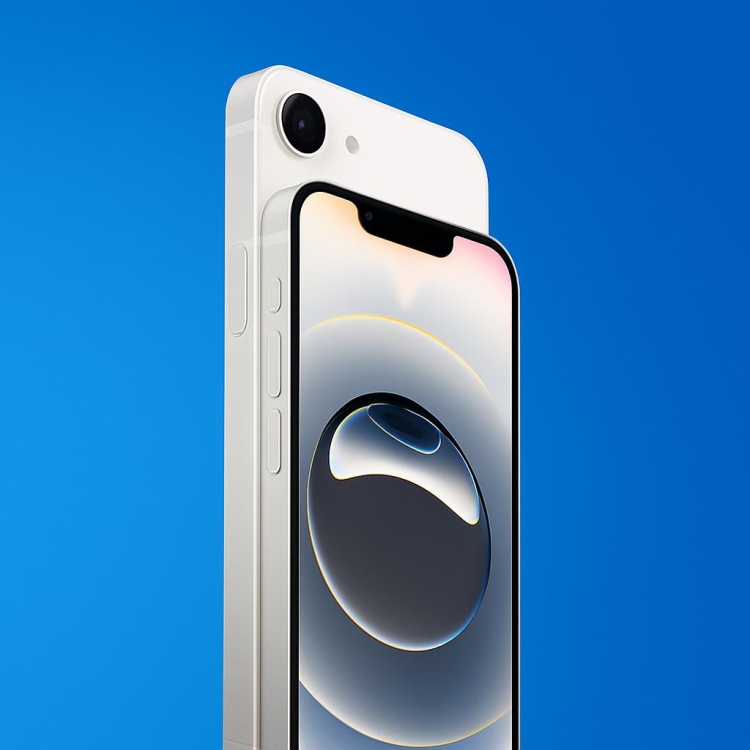
Although there have been many rumors in the past few months of a more dramatic redesign, the latest leaks suggest a far more typical Apple strategy of reusing proven hardware, polish the aesthetics just enough to look new, and inject one or two upgrades that actually move the needle.
The most notable change that is making the rounds is the display, but not because it’s new. It is expected that Apple will keep using the same 6.1-inch LTPS OLED panel found in the iPhone 16e, which in itself is a panel design inherited from the iPhone 14. What is expected to change are the bezels, which are rumored to become significantly slimmer.
This would give the handset a more contemporary feel without moving to pricier LTPO display technology or embracing the punch-hole layouts seen on higher-end iPhone models. Rumors of a switch to Dynamic Island continue to circulate, but supply-chain reporting is suggesting that the reused panel simply isn’t designed for it, making Apple far more likely to stick with a refined version of the existing notch-based layout.While the display may be familiar, the silicon inside is anything but, as the iPhone 17e is widely expected to ship with Apple’s latest A19 chip—the same one used in the standard iPhone 17.
This will mark a rare moment where Apple’s entry-tier handset could have flagship-class performance. For budget-focused buyers, this alone could make the 17e feel dramatically more modern than the 16e it succeeds, delivering real improvements in gaming, AI workloads, and everyday responsiveness.Some of the camera rumors floating around are less certain. Some reports are claiming that the phone may adopt the newer 18-megapixel front-facing sensor used on the iPhone 17, which would bring better group shots and improved low-light selfies. Unfortunately, with no consistent supply-chain confirmation, this remains speculative.
Apple has a long history of holding back camera upgrades on its cost-sensitive models.So far, the clearest insight into Apple’s intentions comes from shipment estimates. Suppliers expect roughly 8 million units to move in the first half of 2026, which is a strikingly modest figure compared to previous lower-tier launches.
That suggests Apple is not positioning the 17e as a breakout product, but rather as a strategic filler: a refreshed, competitively priced on-ramp into the iPhone ecosystem for users coming from older devices or switching from Android.If the current leaks and reporting holds, the iPhone 17e will arrive as a curious hybrid.
An legacy display dressed up with new bezels, paired with Apple’s latest processor, while wrapped in a design meant to look current without costing Apple any more than necessary. It’s not a revolution, but it doesn’t need to be. For the right buyer, an A19-powered handset at a lower price point may be exactly the kind of quietly compelling device that keeps Apple’s bottom tier alive for another generation.